
As the UK marks International Men’s Day, Bromley charity Westmeria Counselling asks why a welcomed national commitment has yet to reach community services – and shares how local sport is helping more men ask for help.
BROMLEY, 19 November 2026 – Exactly one year after the UK Government announced its first Men’s Health Strategy with a major focus on men’s mental health, Bromley charity Westmeria Counselling is asking a straightforward question: why has a policy so widely welcomed not yet translated into anything tangible in local communities, or have frontline services missed something?
Westmeria Counselling, which provides affordable therapy to up to 500 people each week across its Bromley and Bickley centres, says community organisations still have no clear route to access the mental health funding referenced in last year’s strategy announcement.
While national ambitions were warmly received by the sector, demand on the ground continues to rise without a clear pathway for established local charities to secure support.
Sue Doughty, founder and CEO of Westmeria Counselling, said: “When the Men’s Health Strategy was announced a year ago, there was genuine hope across our sector that men’s mental health would finally get practical backing. Twelve months on, sitting here in Bromley, we are still waiting to see what that looks like in practice. We have 100 counsellors supporting hundreds of local people every week, yet there is still no obvious door to knock on for the funding mentioned in the strategy. If we have missed a route to apply, we would genuinely welcome being pointed in the right direction.”
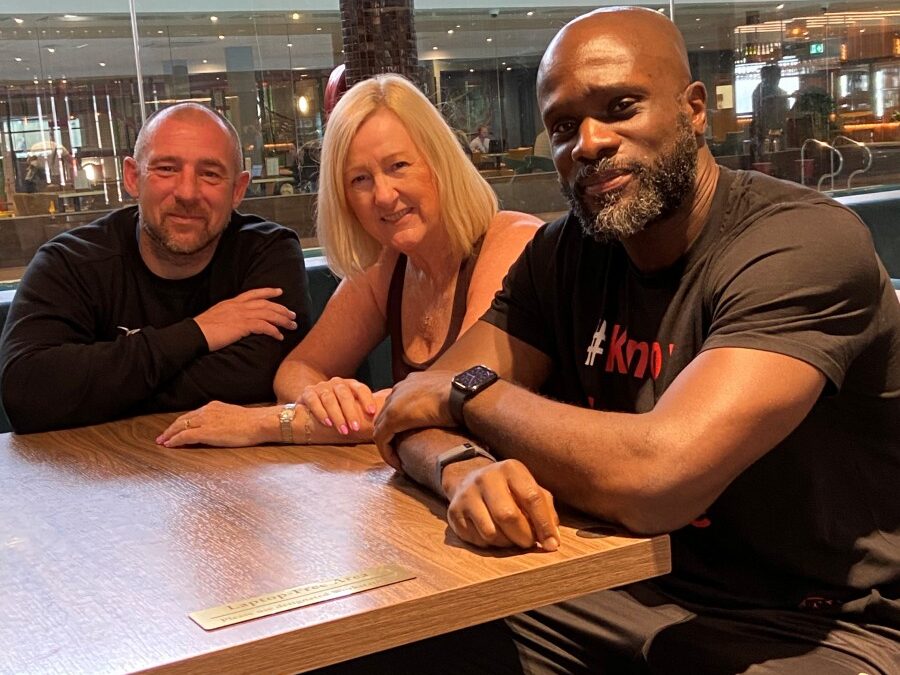
Despite the lack of a clear national funding pathway, Westmeria has seen a marked shift in men coming forward locally. At the start of 2026, men accounted for just 20% of the charity’s clients. In February 2026, Westmeria launched an ambassador programme with local residents Francis Duku, former Bromley FC player, and later Phil Greenaway, former professional rugby player, to help normalise counselling for men. Since then, the charity has recorded a 50% increase in men seeking support.
Sue Doughty added: “Men do want to talk, and they will come forward when the stigma is lowered by people they respect in their own community. Seeing a 50% rise in men coming through our doors since February shows what is possible when local role models speak honestly. Imagine what community charities could achieve if national strategy and local delivery were properly joined up.”
Francis Duku, former Bromley FC player and Westmeria ambassador, said: “I am passionate about health and wellbeing, our mental fitness affects the quality of not only our own lives but those closest to us. No-one is immune from life’s challenges and it’s important that we remove the stigma of men seeking support.”
Phil Greenaway, former professional rugby player and Westmeria ambassador, said: “Sport teaches you to rely on your teammates, yet off the pitch too many men try to deal with mental health struggles completely alone. Speaking openly is the first step, and having accessible local counselling makes all the difference.”
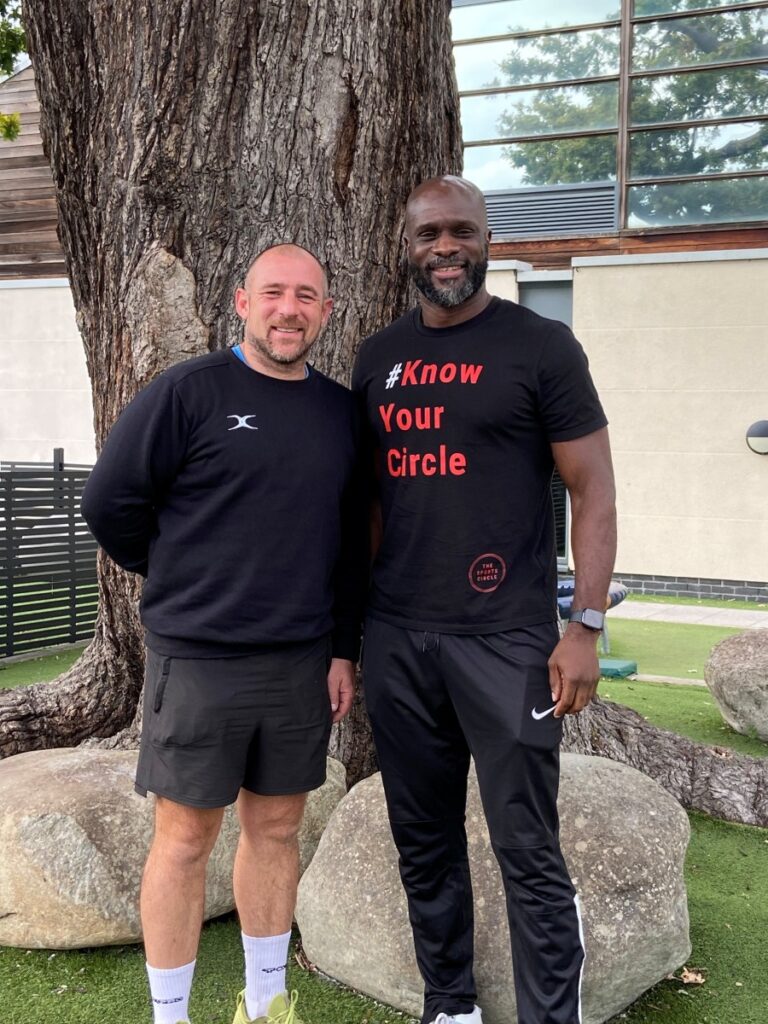
Alongside its ambassador work, Westmeria partnered with Bromley Food Bank earlier this year to offer free counselling to food bank clients, and hosted its first mental health summit on World Mental Health Day in October. Building on the response to its sports ambassadors, the charity now plans to collaborate directly with local sports clubs to reach more men before they reach crisis point.
Westmeria Counselling is calling on policymakers to set out transparent, accessible routes for grassroots charities to engage with the Men’s Health Strategy and its associated funding.